What to Do After an Incident Involving Liability Insurance
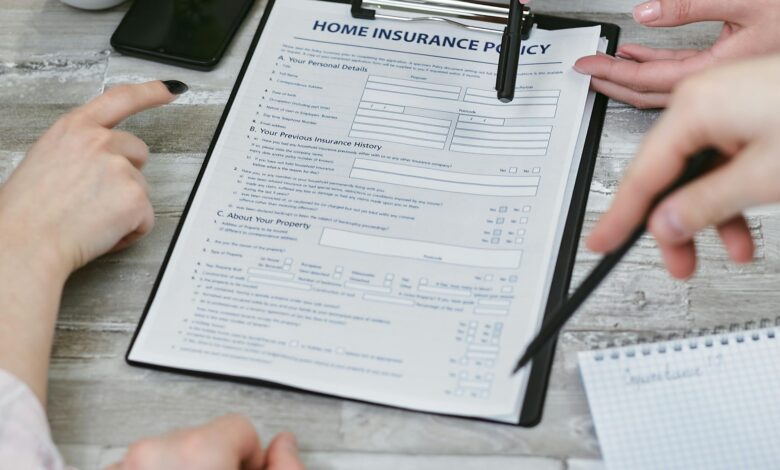
Accidents happen, and when they do, liability insurance can be your financial safety net. Whether it’s a slip-and-fall at your home, damage caused by your pet, or an auto accident where you’re at fault, liability insurance is designed to protect you from the potentially devastating costs of lawsuits or claims. However, knowing what steps to take after an incident involving liability insurance is just as important as having the coverage itself. This guide will walk you through the process step-by-step, ensuring you handle the situation effectively and minimize stress.
1. Stay Calm and Assess the Situation
The first thing to do after any incident is to remain calm. Panicking can cloud your judgment and lead to mistakes. Take a moment to assess the situation:
- Ensure Safety: Check if anyone involved is injured and call emergency services if necessary.
- Secure the Area: If the incident involves property damage (e.g., a car accident), move vehicles out of traffic or cordon off hazardous areas to prevent further harm.
- Avoid Admitting Fault: While it’s natural to apologize in the heat of the moment, avoid making statements that could later be interpreted as admitting liability.
Why It Matters:
Reacting impulsively can escalate the situation or weaken your position during the claims process. Staying composed allows you to gather accurate information and make informed decisions.
2. Document the Incident Thoroughly
Documentation is key to supporting your claim and protecting yourself against false accusations. Here’s how to document effectively:
- Take Photos: Capture images of the scene, including damages, injuries, and any contributing factors (e.g., wet floors, broken equipment).
- Gather Witness Information: Collect names, contact details, and statements from anyone who witnessed the incident.
- Write Down Details: Record the date, time, location, weather conditions, and a detailed account of what happened while it’s fresh in your memory.
Why It Matters:
Insurance companies rely on evidence to evaluate claims. Comprehensive documentation strengthens your case and ensures you have all the facts straight when filing your claim.
3. Notify Your Insurance Provider Immediately
Once you’ve ensured everyone’s safety and gathered evidence, contact your insurance provider as soon as possible. Most policies require prompt notification of incidents, so delaying this step could jeopardize your coverage.
- Provide Basic Information: Share the essential details of the incident with your insurer, such as the nature of the event, parties involved, and any injuries or damages.
- Follow Their Guidance: Your insurer may provide specific instructions, such as submitting forms or cooperating with investigators.
Why It Matters:
Early notification gives your insurer time to prepare for potential claims and helps them assist you more efficiently. It also demonstrates your cooperation and responsibility.
4. Cooperate Fully with the Claims Process
After notifying your insurer, you’ll enter the formal claims process. Cooperation is critical at this stage:
- Complete Required Forms: Fill out any paperwork provided by your insurer promptly and accurately.
- Be Honest and Transparent: Provide truthful answers to questions about the incident. Misrepresenting facts can void your policy or result in legal consequences.
- Work with Adjusters: An adjuster may investigate the claim by reviewing evidence, interviewing witnesses, or inspecting damaged property. Assist them as needed.
Why It Matters:
Your willingness to cooperate reflects positively on your credibility and ensures the process moves smoothly. Attempting to conceal information or manipulate outcomes can backfire significantly.
5. Consult Legal Counsel if Necessary
In some cases, especially those involving significant injuries or disputes over liability, consulting an attorney may be wise. A lawyer specializing in personal injury or insurance law can help you navigate complex situations and protect your rights.
- When to Seek Legal Advice:
- If the injured party threatens legal action.
- If there’s disagreement over who was at fault.
- If the claim amount exceeds your policy limits.
Why It Matters:
An experienced attorney can advocate on your behalf, negotiate settlements, and ensure you aren’t taken advantage of during the claims process.
6. Avoid Communicating Directly with the Other Party
While it might seem polite to discuss the incident directly with the other party, doing so can complicate matters. Instead:
- Refer Them to Your Insurer: Politely inform the affected party that your insurance company will handle their claim.
- Don’t Make Settlement Offers: Offering money or agreeing to terms without consulting your insurer can create problems down the line.
Why It Matters:
Direct communication increases the risk of misunderstandings or misstatements that could undermine your defense. Letting your insurer manage interactions keeps things professional and organized.
7. Review Your Policy Coverage
Use this opportunity to review your liability insurance policy in detail. Understanding your coverage can help you anticipate what expenses will be covered and identify any gaps.
- Check Limits: Ensure your policy’s liability limits are sufficient to cover the claim. If not, consider increasing your coverage moving forward.
- Understand Exclusions: Some incidents may not be covered under standard liability policies (e.g., intentional acts). Knowing these exclusions prevents surprises.
Why It Matters:
Being aware of your policy’s terms empowers you to make informed decisions and avoid unexpected out-of-pocket costs.
8. Learn from the Experience
Once the dust has settled, reflect on the incident and consider ways to prevent similar occurrences in the future:
- Improve Safety Measures: For example, install non-slip mats if someone slipped on your floor or repair hazards like loose railings. a
- Reevaluate Coverage Needs: If the claim highlighted insufficient coverage, adjust your policy accordingly.
- Educate Yourself: Familiarize yourself with common risks associated with your lifestyle or property to mitigate them proactively.
Why It Matters:
Prevention is always better than dealing with the aftermath of an incident. Taking proactive steps reduces the likelihood of repeat events and enhances your overall peace of mind.