How to Choose the Right Accident Insurance Policy
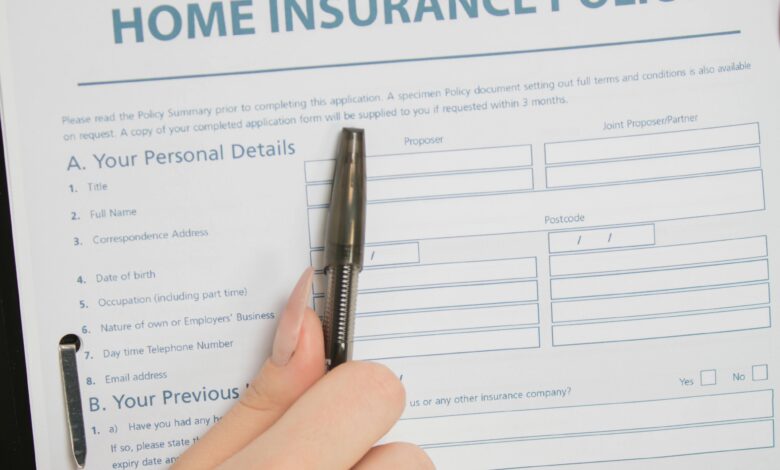
Accidents are unpredictable and can happen at any time, leaving you with unexpected medical bills, lost income, or even long-term disability. While no one likes to think about worst-case scenarios, having the right accident insurance policy can provide financial security and peace of mind when you need it most. However, with so many options available in the market, choosing the right policy can feel overwhelming. In this guide, we’ll walk you through everything you need to know to select an accident insurance policy that suits your needs.
Why Do You Need Accident Insurance?
Before diving into how to choose a policy, let’s first understand why accident insurance is important:
- Medical Expenses: Even minor accidents can result in costly hospital visits, surgeries, or rehabilitation services.
- Lost Income: If an accident leaves you unable to work temporarily or permanently, accident insurance can help replace lost wages.
- Gaps in Health Insurance: Many health insurance plans have deductibles, copayments, or exclusions for certain treatments related to accidents.
- Additional Benefits: Some policies offer lump-sum payouts for specific injuries (e.g., fractures) or reimbursements for transportation and lodging during recovery.
Accident insurance acts as a safety net, ensuring that unforeseen events don’t derail your financial stability.
Key Factors to Consider When Choosing an Accident Insurance Policy
1. Coverage Scope
The first step is to evaluate what types of incidents and expenses the policy covers. Look for answers to these questions:
- Does the policy cover accidental death, dismemberment, or permanent disability?
- Are medical expenses such as hospital stays, surgeries, and emergency care included?
- Does it provide compensation for temporary disabilities or loss of income?
- Are there provisions for rehabilitation costs, home modifications, or assistive devices?
Policies vary widely in scope, so ensure the coverage aligns with your lifestyle and potential risks.
2. Benefit Amounts
Each policy specifies the maximum amount payable for different types of claims. For example:
- A lump-sum payment for critical injuries like paralysis or loss of limbs.
- Reimbursements for medical bills up to a certain limit.
- Weekly or monthly income replacement if you’re unable to work.
Make sure the benefit amounts are sufficient to meet your financial obligations in case of an accident. If you have dependents, consider higher coverage limits to safeguard their future.
3. Exclusions and Limitations
Every insurance policy comes with exclusions—specific situations where claims won’t be honored. Common exclusions include:
- Self-inflicted injuries or those caused by illegal activities.
- Accidents occurring under the influence of alcohol or drugs.
- Pre-existing conditions aggravated by an accident.
- High-risk activities like skydiving or bungee jumping.
Carefully review the fine print to avoid surprises later. If you engage in high-risk hobbies or occupations, look for policies that explicitly cover them.
4. Waiting Periods
Some policies impose waiting periods before benefits kick in. For instance:
- Hospitalization benefits might only apply after 30 days from the start date.
- Disability income payments may begin after a delay of several weeks.
If you’re seeking immediate protection, prioritize policies with minimal or no waiting periods.
5. Premium Costs
The premium is the amount you pay regularly (monthly, quarterly, or annually) to maintain your coverage. Several factors influence premium costs:
- Age: Older individuals typically face higher premiums due to increased risk.
- Occupation: High-risk jobs often attract elevated rates.
- Coverage Level: Comprehensive policies cost more than basic ones.
- Deductibles: Opting for a higher deductible can lower your premiums but increases out-of-pocket expenses during claims.
Compare quotes from multiple insurers to find a balance between affordability and adequate coverage.
6. Claim Process
A smooth and hassle-free claim process is crucial during stressful times. Research the insurer’s reputation for handling claims efficiently. Key considerations include:
- Ease of submitting claims (online vs. paper forms).
- Turnaround time for processing and disbursing funds.
- Customer support availability and responsiveness.
Reading customer reviews or asking for recommendations can give insights into an insurer’s reliability.
7. Additional Features
Many modern accident insurance policies come with added perks designed to enhance value. Examples include:
- Transportation Allowance: Covers travel costs to and from medical appointments.
- Convalescence Benefits: Provides a lump sum for post-treatment recovery.
- Childcare Support: Helps cover childcare expenses if you’re incapacitated.
- Global Coverage: Protects you against accidents while traveling abroad.
While these features add convenience, weigh their importance against the additional cost.
Types of Accident Insurance Policies
Understanding the different types of accident insurance will help you narrow down your options:
1. Personal Accident Insurance
This is the most common type, offering financial protection for individuals in case of accidental injuries, disabilities, or death. It usually includes:
- Lump-sum payouts for severe injuries.
- Weekly allowances for temporary disabilities.
- Death benefits for beneficiaries.
2. Group Accident Insurance
Offered by employers or associations, group policies cover multiple members under a single plan. They tend to be more affordable but may lack customization options.
3. Travel Accident Insurance
Specifically designed for travelers, this policy covers accidents occurring during trips, including international journeys. It often overlaps with travel insurance but focuses solely on accident-related incidents.
4. Sports Accident Insurance
Tailored for athletes or enthusiasts involved in high-risk sports, this policy provides specialized coverage for sport-related injuries.
Steps to Choose the Best Policy
Step 1: Assess Your Needs
Consider your lifestyle, occupation, family responsibilities, and existing insurance coverage. Ask yourself:
- What risks am I exposed to daily?
- How much financial protection do I need?
- Do I already have overlapping coverage through other policies?
Step 2: Set a Budget
Decide how much you’re willing to spend on premiums without straining your finances. Remember, cheaper isn’t always better; prioritize value over cost.
Step 3: Compare Quotes
Use online comparison tools or consult brokers to gather quotes from reputable insurers. Pay attention to coverage details, exclusions, and customer feedback.
Step 4: Check Insurer Reputation
Research the insurer’s track record for claim settlements, customer service, and financial stability. Ratings from agencies like AM Best or Standard & Poor’s can provide useful insights.
Step 5: Review Policy Documents
Once you’ve shortlisted a few options, read the policy documents thoroughly. Highlight areas of concern and clarify doubts with the insurer’s representative.
Step 6: Purchase and Review Regularly
After purchasing, periodically review your policy to ensure it still meets your evolving needs. Update your coverage as necessary, especially after major life changes like marriage, childbirth, or career shifts.
Common Mistakes to Avoid
- Underestimating Coverage Needs: Don’t skimp on coverage just to save money. Ensure the policy adequately protects you and your loved ones.
- Ignoring Fine Print: Failing to read exclusions and limitations can lead to denied claims later.
- Overlapping Policies: Avoid buying duplicate coverage if you already have similar protections through other insurance plans.
- Not Updating the Policy: Life circumstances change, and so should your insurance. Keep your policy current to reflect new risks or responsibilities.